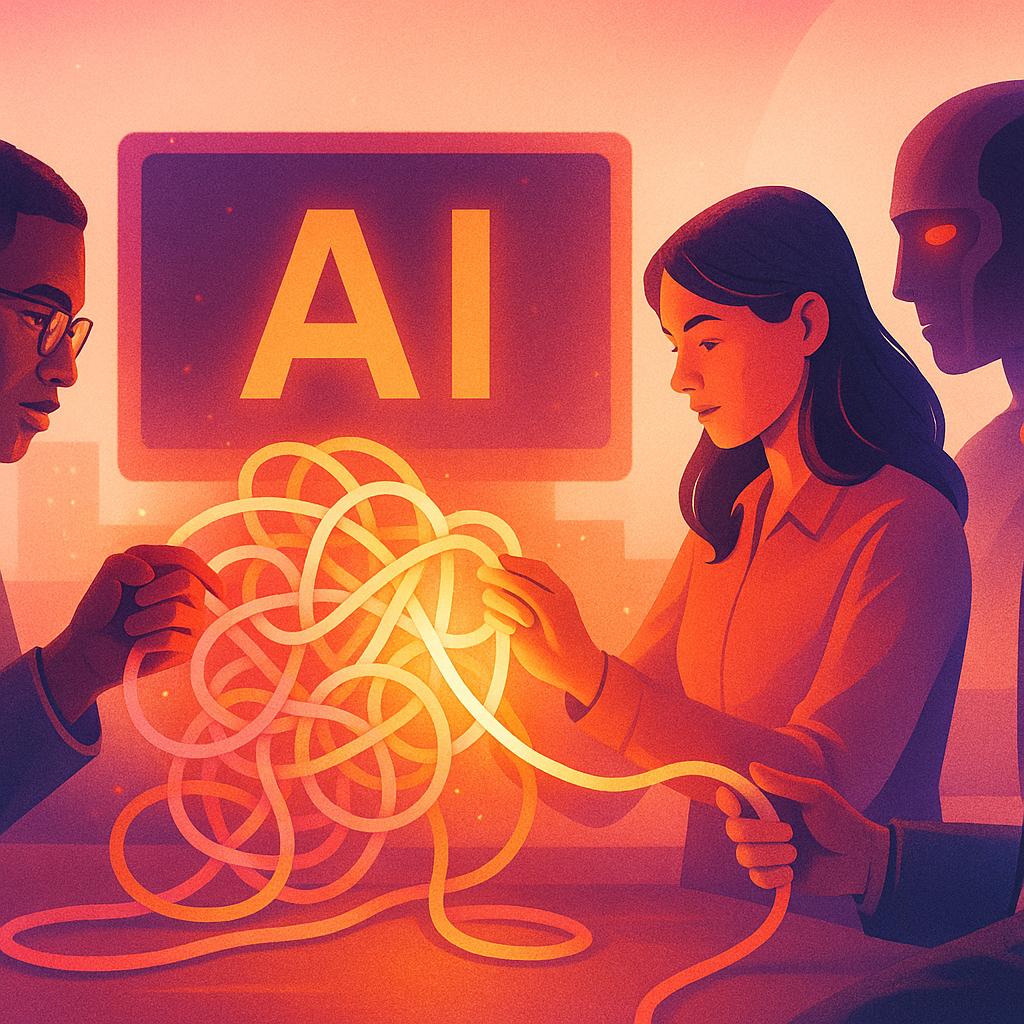



AI has long been hailed as the transformative force of the future, promising to revolutionize industries, efficiency, and the way we interact with technology. However, recent revelations from a prominent AI conference suggest that the glossy facade is beginning to crack, revealing deeper issues and challenges lurking behind closed doors.
One of the key takeaways from the conference was the growing skepticism around hyped AI techniques such as chain-of-thought reasoning. This critical examination of core AI methodologies is forcing industry players to reassess their approach and confront the limitations of existing models. The landscape of AI is undergoing a subtle but significant shift, with talent reshuffling and high-profile departures from tech giants like Apple signaling a reconfiguration of power dynamics within the industry.
For consumers, these developments have far-reaching implications. The technologies that shape our daily lives are not immune to the turbulence within the AI sphere. As companies grapple with the shortcomings of current AI solutions, product innovations and user experiences may be impacted. From personalized recommendations to speech recognition and autonomous systems, the quality and reliability of AI-driven services could face challenges as the industry navigates this period of introspection and reassessment.
Large brands, too, are feeling the reverberations of this AI reality check. Nvidia’s struggles with chip shipments to China post-ban are just one example of how geopolitical factors can disrupt supply chains and impact global business operations. Apple’s setback in the AI talent war highlights the fierce competition for top researchers and the critical role of human capital in driving innovation and staying ahead of the curve.
As consumers and brands alike navigate this evolving AI landscape, staying informed about the fault lines and emerging trends is crucial. Understanding the nuances of the industry shifts can empower individuals and organizations to make informed decisions, anticipate challenges, and seize opportunities in a rapidly changing
technological environment.
Ultimately, the unmasking of AI’s imperfections serves as a reminder that innovation is not a linear trajectory but a dynamic and complex journey. By acknowledging the cracks in the polished facade, we pave the way for a more resilient, adaptive, and ethical AI ecosystem that truly serves the needs and interests of both consumers and society at large.