

The chimes of alarm bells are reverberating throughout the tech world – it’s an AI wake-up call orchestrated by none other than Sam Altman, the CEO of OpenAI. The crux of the message? AI is no longer just changing the landscape of work; it’s on the cusp of eradicating entire job categories. Gripping, right?
Before we dive deeper into this reality, let’s shed some light on one distinctive casualty of this AI revolution: customer support. According to Altman, AI is already competently handling entire support ecosystems. The endearing ‘agent’ assisting you with your password recovery or resolving your complaints may not be human after all, throwing Terminator-esque vibes left, right, and center.
However, the implications of this shift aren’t confined within the walls of customer service only. It opens a pandora’s box of questions about the future of many other complex job roles, and not just those residing at the bottom of the economic pyramid. As chilling as it may sound, this future is not a dystopian vision anymore – it’s already unfolding right before us.
Notwithstanding this, Altman clearly demarcates a boundary when it comes to healthcare. While he champions the utilization of AI for diagnostics and similar functions, he emphasizes the irreplaceability of human doctors in the healthcare chain. Try as it may, AI cannot replicate empathy, insight, or sound human judgment – at least we’re safe for now.
Here’s where Altman’s message resonates beyond the technological domain: He asserts that society might be inadequately prepared to cope with this fast-paced transformation. The transition is happening faster than we perceive, and the systems to sustain or retrain the workforce that might be displaced are not fully in place. The fear is real: in the race for more efficiency and profits, are we leaving behind our fellow humans?
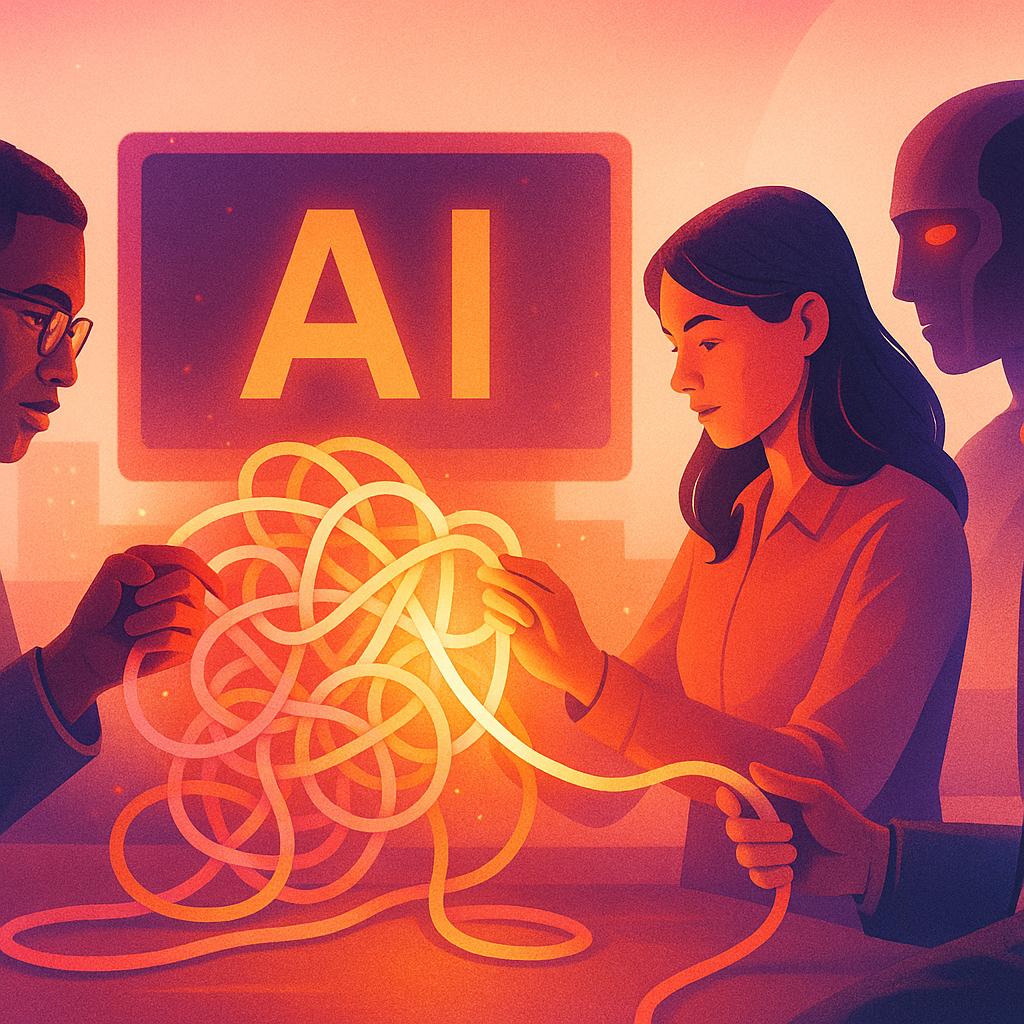
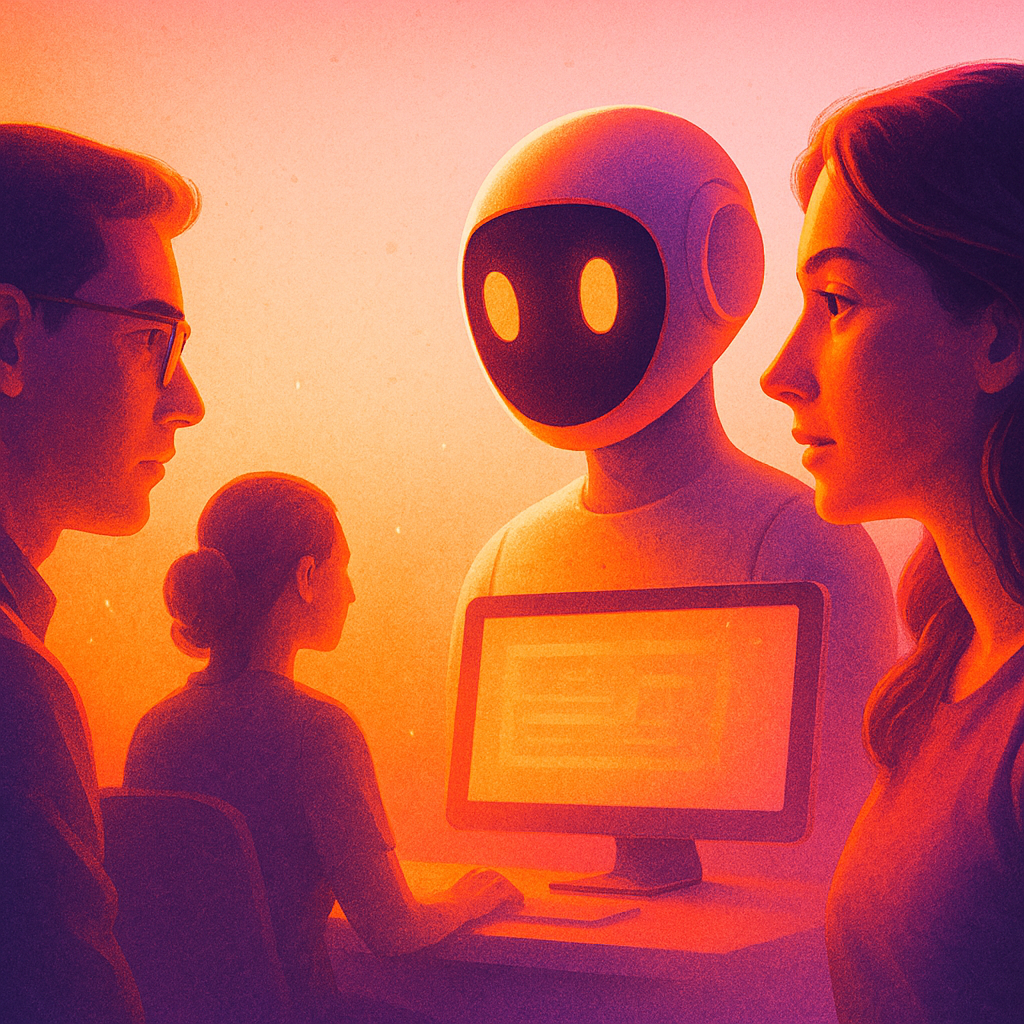
Altman’s stark predictions stem from his firsthand experience, as he is playing an integral role in shaping this advanced technology. His main concern is that the adjustment period is shrinking dramatically. His bold confessions signal a shift in the notion of future work – our future workplace won’t pit humans against machines. Instead, it’s about humans and machines carving out a shared workspace.
The player in this game has changed; it’s not about AI coming for jobs anymore. It’s about how swiftly we could adapt to ensure humans still have a stake in the new AI-powered job market and the transition doesn’t leave many in the cold. It ignites debates on not only the inevitability of this handoff, but its central question: how do we shape this transition without leaving an array of people stranded? This is the real challenge before us.
Interpreting this scenario from a wider consumer perspective, it’s evident that the advent of AI on the job front carries both upsides and downsides. The rise of AI, with its potential to decrease human errors and increase efficiency, offers a tempting proposition. For consumers, this can translate into faster and more effective service. For businesses, reduced costs and enhanced productivity are alluring benefits.
However, beneath this glossy surface lurk several societal
ramifications. Potential job losses and the resulting social inequality are grave concerns that both consumers and businesses need to address. As AI continues to advance and proliferate, the need to adapt our workforce becomes even more pressing. Creating provisions for robust retraining and job transition initiatives will be crucial.
On the brighter side, AI isn’t here to steal your job, at least not indiscriminately. It’s here to transform it, as the work paradigm shifts from exclusively human input to a more integrated collaboration between humans and AI. This speaks to the importance of equipping the workforce with the necessary skillset to navigate this AI-dominated landscape. In the end, transforming threats into opportunities is what progress is all about, isn’t it?
This rapid reshaping of the job landscape demands broader societal preparedness. It will require active participation from large brands and corporations, who have the resources and leverage to drive the retraining and adaptability initiatives needed in this age of AI. Having an immense influence over consumers and the market, these brands have the potential to ease the transition while maintaining a balance between efficiency and human needs.
Remember, we’re in this transformation together. Ensuring we sail through it smoothly and inclusively depends on each one of us. Yes, the future is intertwined with AI, but it’s up to us to make sure it’s not an Orwellian one. It’s a wake-up call we cannot afford to ignore. It’s time to rise and shine.