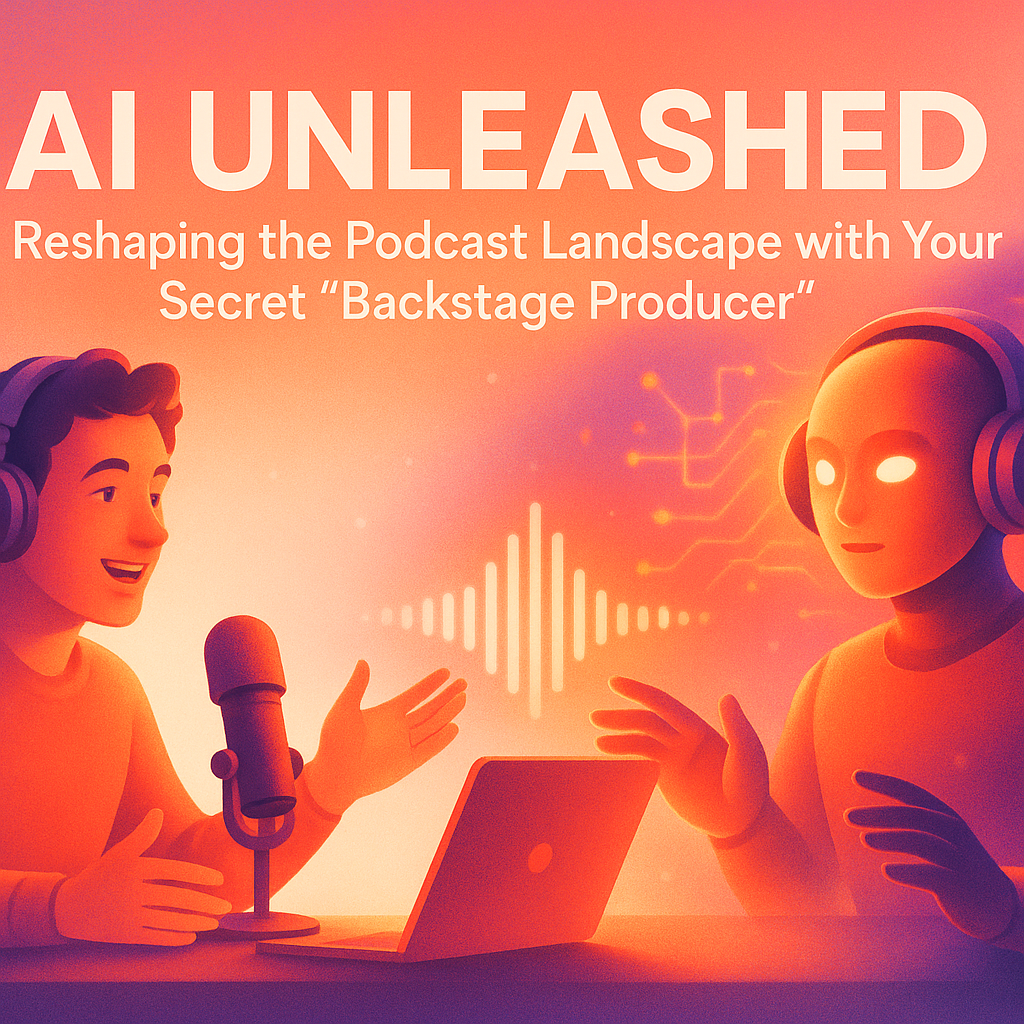


Dive into any tech news feed, and one can’t help but notice a recurring theme: Artificial Intelligence. Established tech giants and innovative start-ups alike are racing to crack the AI code, chasing the tantalizing promise of a future where machines think, learn, and problem-solve just like us humans.
There’s an entrancing duet taking place on the corporate stage these days as Meta and Google rearrange their chess pieces. Google may have just lost three of its groundbreaking AI players to Meta. The engaging narrative of talent scooping, however, is just the icing on the cake. What’s happening beneath the surface of these flashy headlines is a symphony of talents in flux, strategic realignments, and a growing focus on groundbreaking research.
Apple, too, is in the midst of a reorg that’s pushing its talent out the door. So, what’s causing this exodus? While you might be tempted to ascribe it to the fizzling magic of lucre alone, the matter is far more complex. The delicate equilibrium of job satisfaction is a fine blend of financial gratification, intellectual stimulation, and organizational culture. Bearing in mind these factors, the story unfolds with more depth.
And as we pull back the curtain on this corporate rigmarole, the limelight settles on one prodigious protagonist – Reinforcement Learning. As AI model performance hits a roadblock, researchers are banking on Reinforcement Learning as the oracle of what’s next in the AI journey. This innovative method, where algorithms learn from trial and error, could prove to be a game-changer by uncovering previously untapped avenues for the application of AI.
But let’s not limit ourselves to the tech giants. The world of start-ups is abuzz with AI action too. Crusoe, the up-and-coming star, is cannily planning to take on cloud giants, while the battery industry is witnessing a raid of investments. With AI at the core of the action, these start-ups are rewriting the rules of the game, forging ahead with audacious plans to disrupt conventional cloud paradigms.
What does all this mean for the consumer industry? Well, the line between the digital and physical domains is blurring. As AI progresses from novelty to necessity, businesses strive to stay ahead of the curve by creating personalized, immersive, and interactive experiences for consumers. From retail to healthcare to entertainment, the consumer industry stands to be revolutionized by the expanding scope of AI.
The AI evolution isn’t just about machines becoming more human-like. It’s also about humans becoming more machine-like in our grasp of technology and our appetite for innovation, leaning into a future where we cohabit seamlessly with our digital counterparts.
So, as you watch the dance of AI evolution unfold, let your
imagination wander a bit. The cogs of AI are turning, the tech giants are playing their cards, the start-ups are stirring the pot – and the resulting brew of innovation and ambition will undeniably impact how we live, work, and play in times to come. Borrowing a page from the tech giants playbook, it’s time for us all to be nimble, adaptable, and ready to gallop alongside the swift strides of AI.