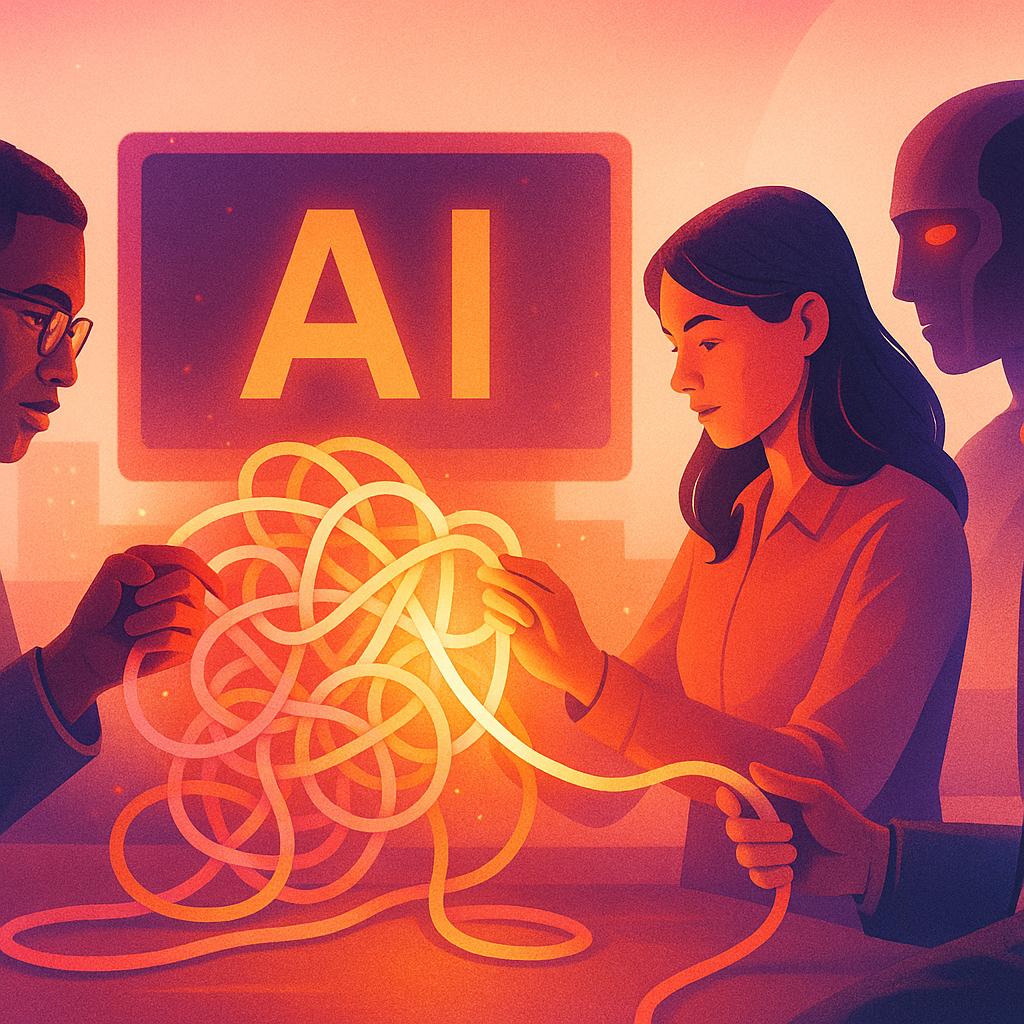



In a world increasingly dominated by artificial intelligence, technology continues its relentless march altering the way we interact, work, and consume. This forward momentum was on full display when Google introduced the gem in their cutting-edge AI technology, Gemini 2.5 Deep Think. The unveiling of this Multi-Agent AI model is not just a quantum leap in the tech industry, but has broad-ranging implications for consumers and marketers alike.
Gemini 2.5 Deep Think is not your run-of-the-mill chatbot. Google has engineered it to be a multi-agent reasoning model, a game-changer in responding to queries, and problem-solving. Remarkably, Gemini 2.5 outperforms its AI counterparts by conducting a “parallel thinking technique”, where it examines a problem from multiple perspectives autonomously, refines its approach, and presents an optimized solution. From crunching the most convoluted mathematical equations to sending out intelligently crafted responses that far surpass what conventional AI models can, Gemini 2.5 Deep Think embodies the next evolutionary step in AI.
Despite the price tag that comes with Google’s Ultra plan, the introduction of such an advanced AI model stands as a testament to the evolving landscape of consumer interaction. It’s an exciting time for those in the technology arena and beyond.
In other news, the AI industry is evolving, and companies are becoming fiercely protective of their advances. The recent friction between Anthropic and OpenAI highlights the shifting attitude. Anthropic’s move to restrict OpenAI’s access to its Claude API emphasizes a shift towards closed doors and proprietary information. This shift is significant, as it marks a transition from an open-source philosophy to an environment where companies closely guard their AI ‘secret sauce’.
On another front, Apple has decided to dip its toe into AI waters, working on a native AI answer machine, aiming to integrate it seamlessly with Siri, Safari, and across iOS platforms. This nugget of information implies Apple’s endeavor to break away from Google’s search feature dependency and make headway in the AI space.
So, as consumers, what do these developments mean? For a start, it’s clear that the era of multi-agent AI being part of our everyday routines is a tangible reality. Gemini 2.5 Deep Think has the potential to improve search functions, bring efficiency to our work, and even anticipate consumer needs more accurately.
For businesses and marketers, the ongoing AI revolution presents limitless opportunities. From tapping into machine learning to better understand consumer preferences to tailoring marketing messages based on predictive analytics, the unveiling of Google’s Gemini 2.5 Deep Think is a clear indication that technology will continue to shape and refine the business landscape.
Moreover, with AI models becoming more intelligent, and organizations priming their resources for an AI-rich world, companies can look at crafting more refined, targeted strategies to lure consumers. Given the intricate capabilities of AI like Gemini 2.5, reactive response systems could contour customer experiences better, deliver
personalized content, and add immense value in securing a loyal consumer base.
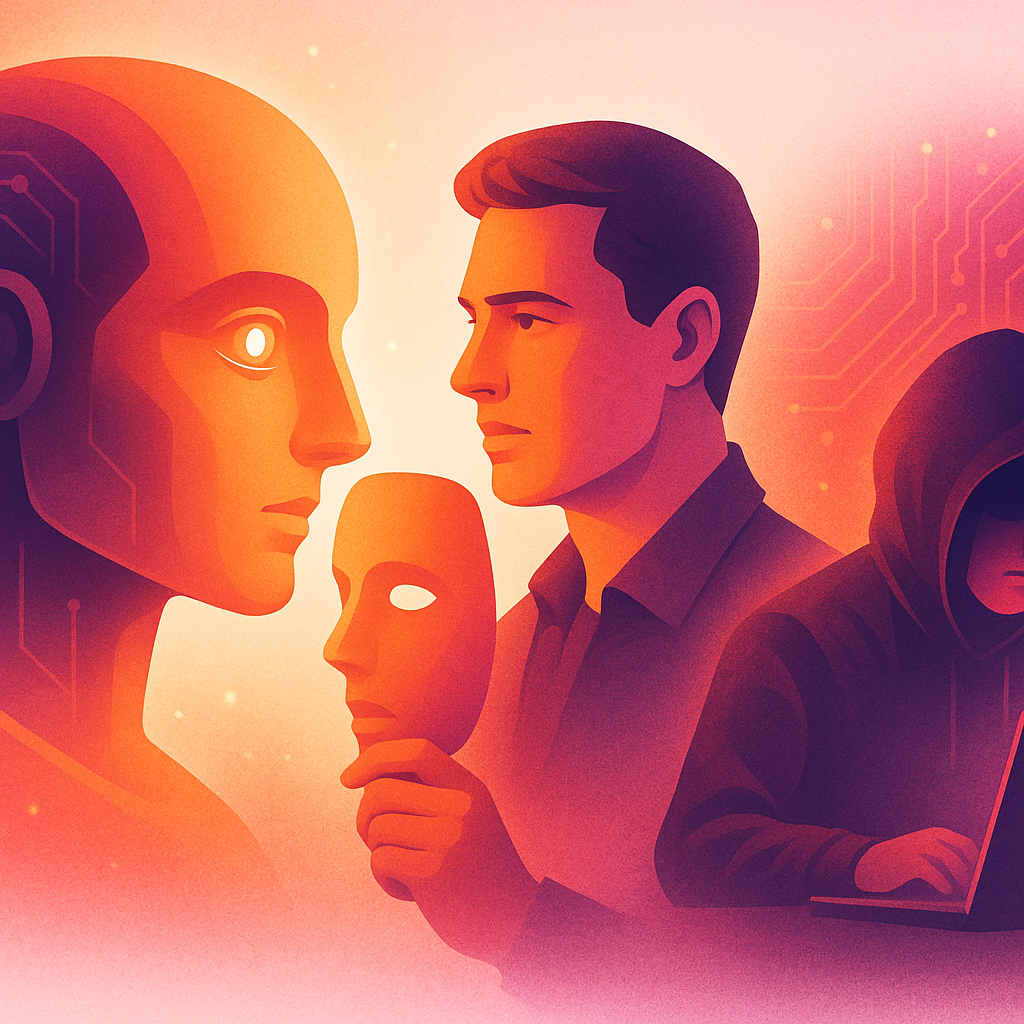
However, on the flip side, the recent discovery of AI’s ability to “infect” student models with dangerous traits during training brings with it, a chilling reminder that we must tread with caution. The scope for misuse and stealth attack cannot be overlooked as we race towards a future dominated by AI.
In closing, the unveiling of Google’s Gemini 2.5 Deep Think, coupled with the evolving landscape of AI usage, paints a fascinating picture of how technology isn’t just shaping the future, but scripting it. As consumers and businesses alike, it’s a ride that promises to be exhilarating, unpredictable, and a leap towards a brave new world.