

Imagine standing at the precipice of a technological revolution, where the boundary between human intelligence and artificial intelligence becomes blurred. That’s where we are right now. The emergence of GPT-5, the latest iteration of OpenAI’s language model, is exactly that – a quantum leap forward that’s set to revolutionize the way we interact with digital platforms, promising to not just alter, but to redefine the consumer and brand landscape completely.
Harking back to the PC revolution of the 80s or the advent of the Internet in the 90s, very few technological innovations have had the potential to be transformative on such a global scale. GPT-5 isn’t merely a new chatbot; the term doesn’t do justice to its vast capabilities. It’s an AI agent that can build apps, manage schedules, produce research briefs, and more. And bear in mind, this is just the start. Priceless, isn’t it?
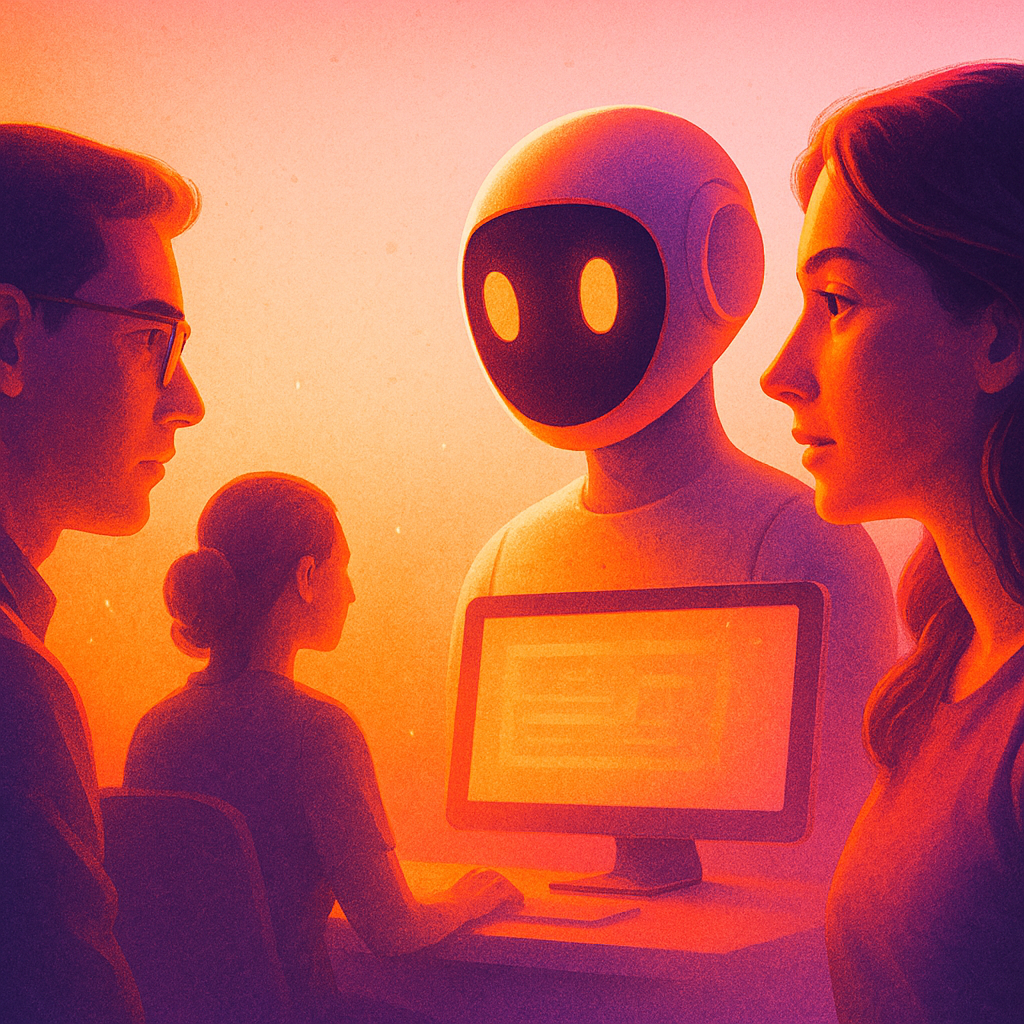
Let’s visualize this in a day-to-day context for a consumer. Imagine a busy professional coming home after a long day at work; they share their day with their home AI assistant, which not only listens but also understands their moods and responds empathetically. Thanks to GPT-5’s ‘thinking’ capability, the assistant not only composes a grocery list but also places an order, recommends a healthy dinner recipe, and even suggests a relaxing playlist. The possibility of having a personal assistant who ‘understands’ you is now suddenly very real.
From a business perspective, GPT-5 represents a paradigm shift, changing the way brands interact with consumers. From providing intricate details about products and personalized recommendations to consumers, to helping in creating more impactful marketing and advertising strategies, GPT-5 will not only improve efficiency but also increase effectiveness. It enthrals marketers by answering not just the ‘what’ but also piecing together facets of the consumer journey, exploring the ‘how’ and ‘why’ behind it.
Moreover, the technological leap GPT-5 brings in handling legal contracts can certainly spell good news for businesses. It streamlines the drafting process of contracts with block-like structures, which ensure all parties involved have clear terms set out, adhere to legal compliance, and have easy accessibility. This capability is just the tip of the iceberg from a legal perspective and can reshape how businesses handle their legal processes.
Interwoven in the very fabric of GPT-5 is the ability to democratize AI. OpenAI’s decision to make the model available to free users, though with certain limitations, is a nod towards greater inclusivity, and a broader user base will inevitably lead to a rich source of information and growing possibilities of further adaptations and advancements.
However, as with every innovation, GPT-5 does have its limitations. It’s not a magic wand that you can wave to solve all problems, so it’s important not to get carried away by the hyperbole while acknowledging its enormity and potential impact. That said, the value,
opportunities, and changes it brings to the table are unprecedented.
So, what does this all mean? It means we’re at the beginning of a new era – one where the line between humans and AI becomes progressively more entwined. It’s not about machines taking over, but rather about how we can work alongside AI to create a more productive, effective, and enjoyable future. As AI agents become an integral part of our lives – doing, making, planning – they will not just change the way we live; they will redefine the human experience.
Hold on, because the ride on this technological revolution is only just beginning!