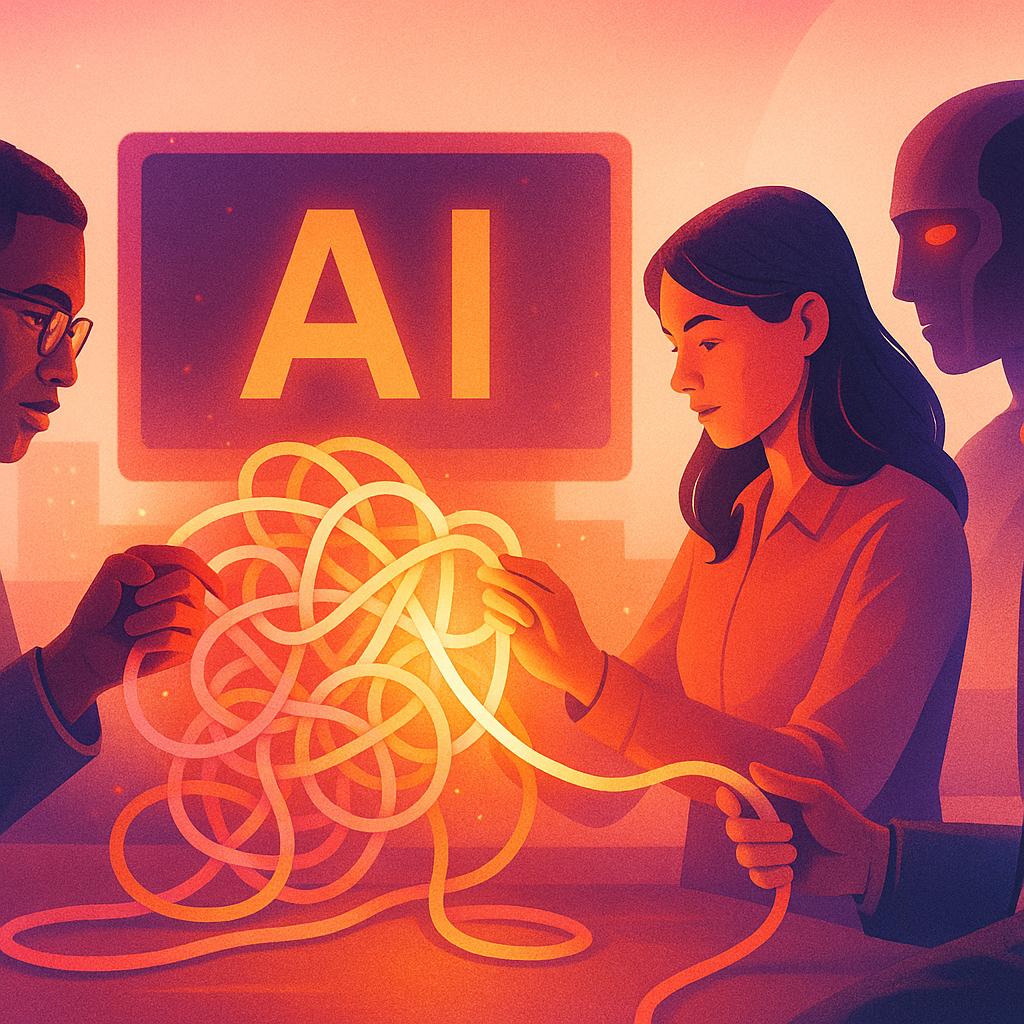



As I dive headfirst into the labyrinth of technological advancements, there’s an unmistakable resonance in the corridors of Silicon Valley; the rulebook of startup operation is being rewritten, thanks to the rise of Artificial Intelligence (AI). There’s a seismic shift in the pecking order, a deviation from the usual standards, and the protagonist of the saga, AI, is transforming all we ever knew about startups.
In the glimmer of unlimited potential that AI has to offer, we’ve seen companies metamorphosing, shaping, and reshaping as they adopt and adapt. But let’s yank the spotlight away from the ever-fascinating AI to shed some light on the lesser-known yet equally vital player – OpenAI.
Interestingly, OpenAI isn’t any run-of-the-mill AI venture, especially if you quote Keith Rabois of Khosla Ventures (and a key investor in OpenAI). It’s a “monopoly business,” he claims. It’s a somewhat bold statement, but like most things AI, it’s intriguing and warrants further exploration.
Switching gears to OpenAI, it’s been on a rollercoaster ride lately, navigating a rocky path to GPT-5, its much-anticipated AI model update. This voyage to GPT-5 has been an arduous journey filled with triumphs and tribulations, and it convoys the tough realities AI companies have to face ‘behind-the-scenes’.
But how do these headlines connect with mainstream consumer trends? The answer lies in the ability of AI tools, like those being developed by OpenAI, to identify and analyse vast amounts of data, enabling them to predict trends and facilitate ‘forward-thinking’ for businesses. Essentially, AI is shifting the sands, and these ripple effects would reach the common consumer, impacting their behaviours, preferences, and buying patterns.
Looking at AI coding startups like Cursor, as an example, shows us that AI has become an integral part of establishing startups’ success. The overvaluation faced by such ventures goes on to show us how profitable – and crucial – their services are deemed in the tech marketplace.
Moreover, companies like Cognition actualising buyouts of the newly acquired Windsurf Staff serve as a testament to that. As AI advances, the demand for skilled staff who can manoeuvre AI technologies will increase, escalating job opportunities and market competition.
To take it a step further, the rise of ‘Universal Verifiers’ by OpenAI displays how AI is the ‘secret weapon’ transforming consumer industries. These automated systems are changing the game by providing consumers with verified, reliable information, making information sharing more efficient and accurate than ever before. It won’t be long before we see such tech being integrated into retail, healthcare, and other industries, bringing enormous benefits to the everyday consumer.
Teetering on the edge of this new dawn, it’s safe to say that understanding the shifts in AI, as seen through silicon valley’s lenses, is crucial. What has been considered as tech jargon relegated to lab coats and servers will be the dictating terms for the consumer industry’s future trends, and thus, decoding the future of AI has become an integral part of decoding our future. As the AI-driven sectors are on the cusp of change, they’re planting the seeds that will determine the trends of tomorrow.